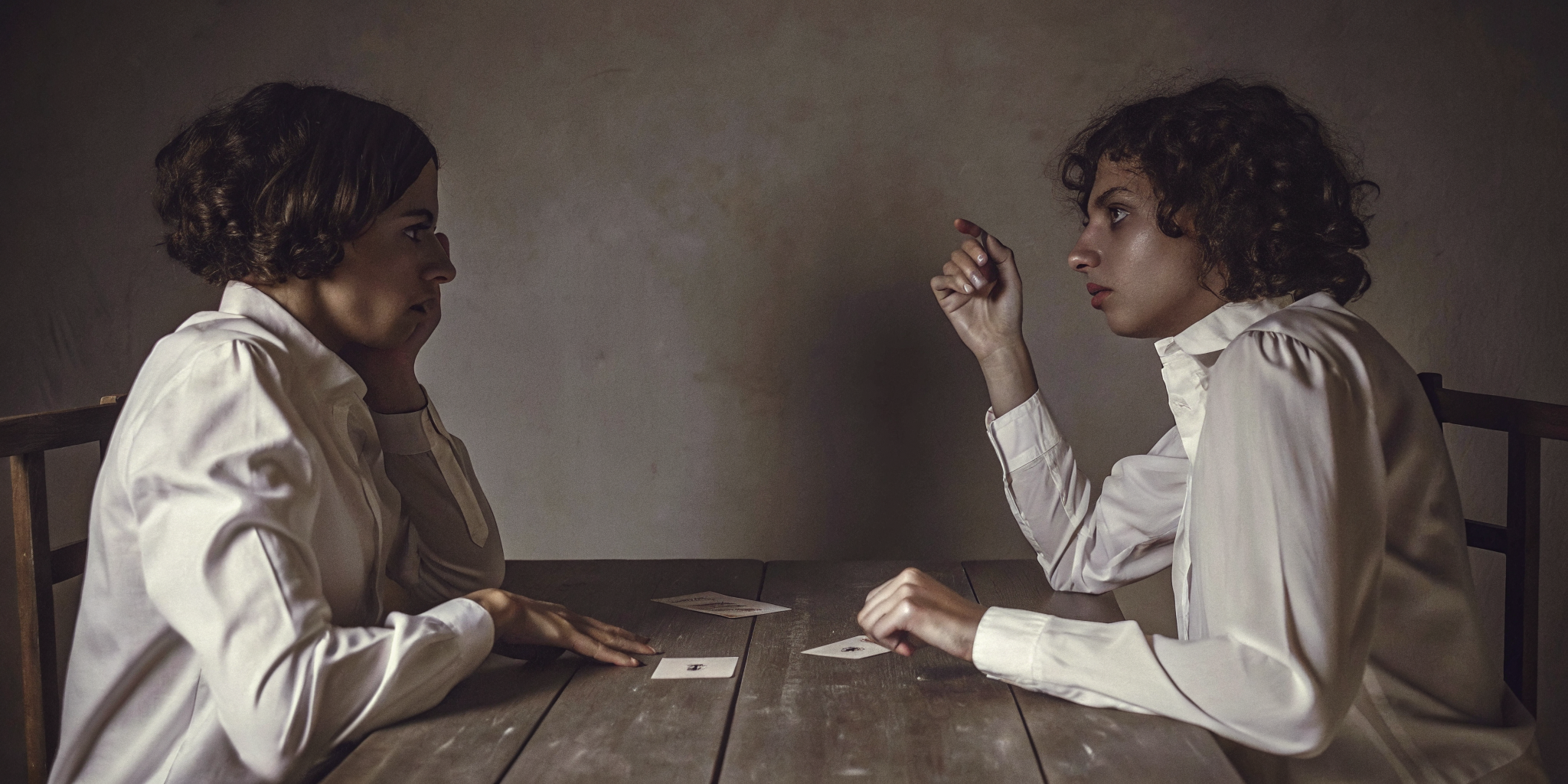
A version of this conversation happens with almost every founder we work with, at the start, when they're deciding, and again at the end, when they can see what changed. What follows is a composite: the questions we're asked most, answered the way founders themselves tend to answer them once the work is done. The specifics differ from business to business. The shape almost never does.
Before
Q - What made you finally do something about the brand?
“Honestly, embarrassment. We'd outgrown how we looked. The work had got really good and the business still looked like the version of us from three years ago. We were winning people despite the brand, not because of it, and you can feel it when you're the better option that looks like the worse one.”
Q - What were you afraid would happen?
“That it would be style over substance. That we'd spend money to look shinier and nothing real would change. I'd watched other businesses do a big rebrand and it was just a new logo and a bigger invoice. I didn't want a paint job. I wanted the business to actually work better.”
During
Q - What surprised you about the process?
“How little of it was about the logo. I came in thinking I was buying a look. Most of the hard conversations were about decisions, who we're for, what we'd stop doing, what we refuse. It was more like therapy for the business than a design project. Uncomfortable in the right way.”
Q - Was there a moment it clicked?
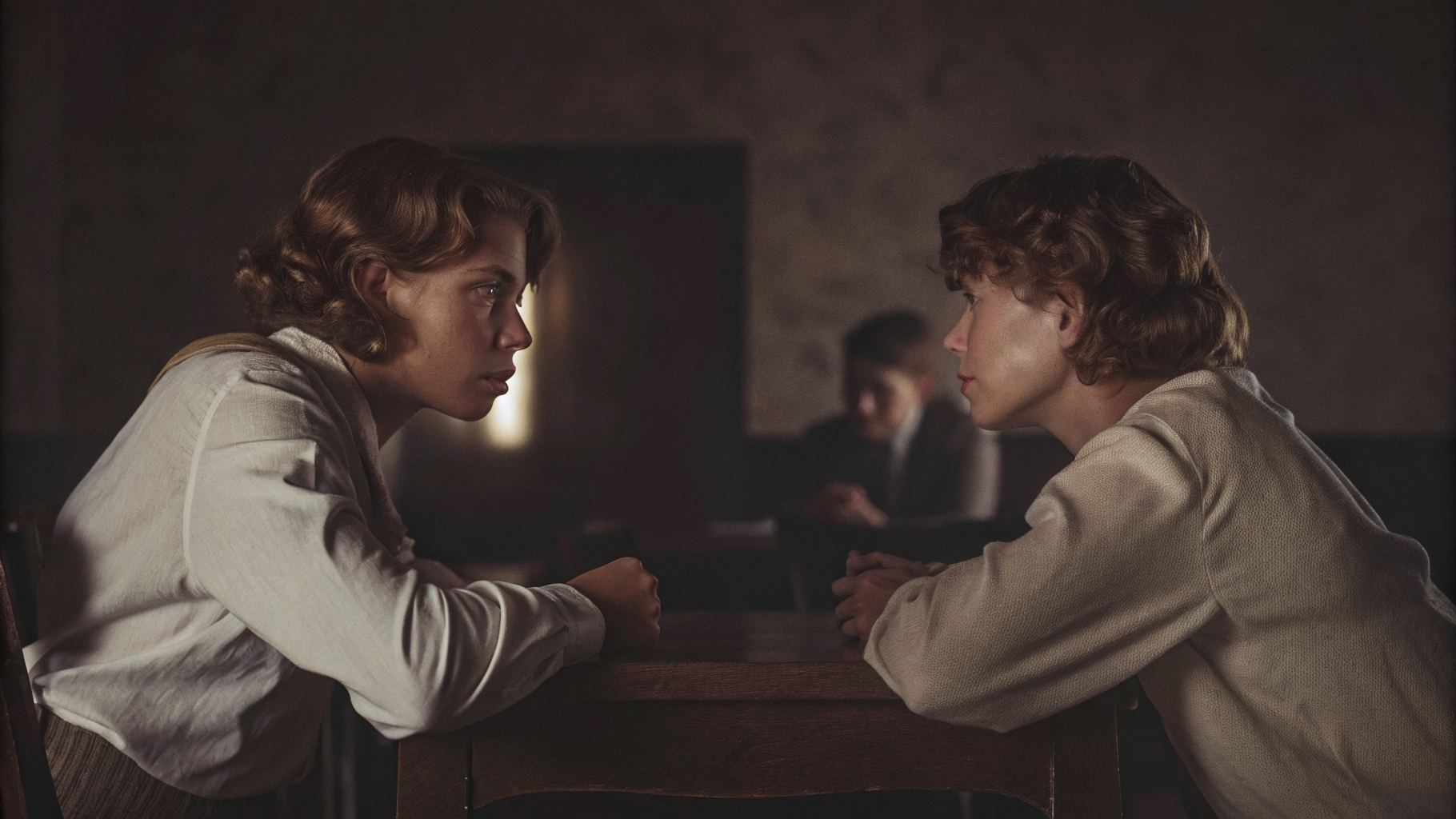
“When they showed one direction instead of a wall of options. I'd braced for the usual three-choices thing where you're really just being asked to do their job for them. Instead it was: here's the decision, here's why, here's what we said no to. I disagreed with one part, we argued it, and the arguing is what made me trust the rest.”
After
Q - What actually changed once it launched?
“The conversations got easier. We stopped having to convince people we were the premium option, they arrived already assuming it. We put our prices up and the objections went down, which still doesn't make sense to me on paper, but it's what happened. The brand started doing some of the selling for us.”
Q - What changed inside the business, not just outside?
“We finally knew what we were and weren't. That sounds soft, but it made a hundred small decisions faster, what work to take, what to say no to, how to talk about ourselves. The team stopped guessing. Having it written down meant we all told the same story without needing a meeting about it.”
Advice
Q - What would you tell another founder considering it?
“Do it sooner, and go in ready to make decisions, not just approve pretty things. The design was good, but the value wasn't the design, it was being made to decide what we actually stood for. I'd been avoiding that for years. Turns out it was the whole thing.”
Q - Anything you'd have done differently?
“Started before I felt ready. I kept waiting until the business was 'sorted' enough to deserve a proper brand. That was backwards. The brand is part of how you get sorted, not a reward for having got there.”
The details change from founder to founder. The arc rarely does: they come for a look, they stay for the decisions, and the thing they thank us for a year later is almost never the thing they hired us to do.