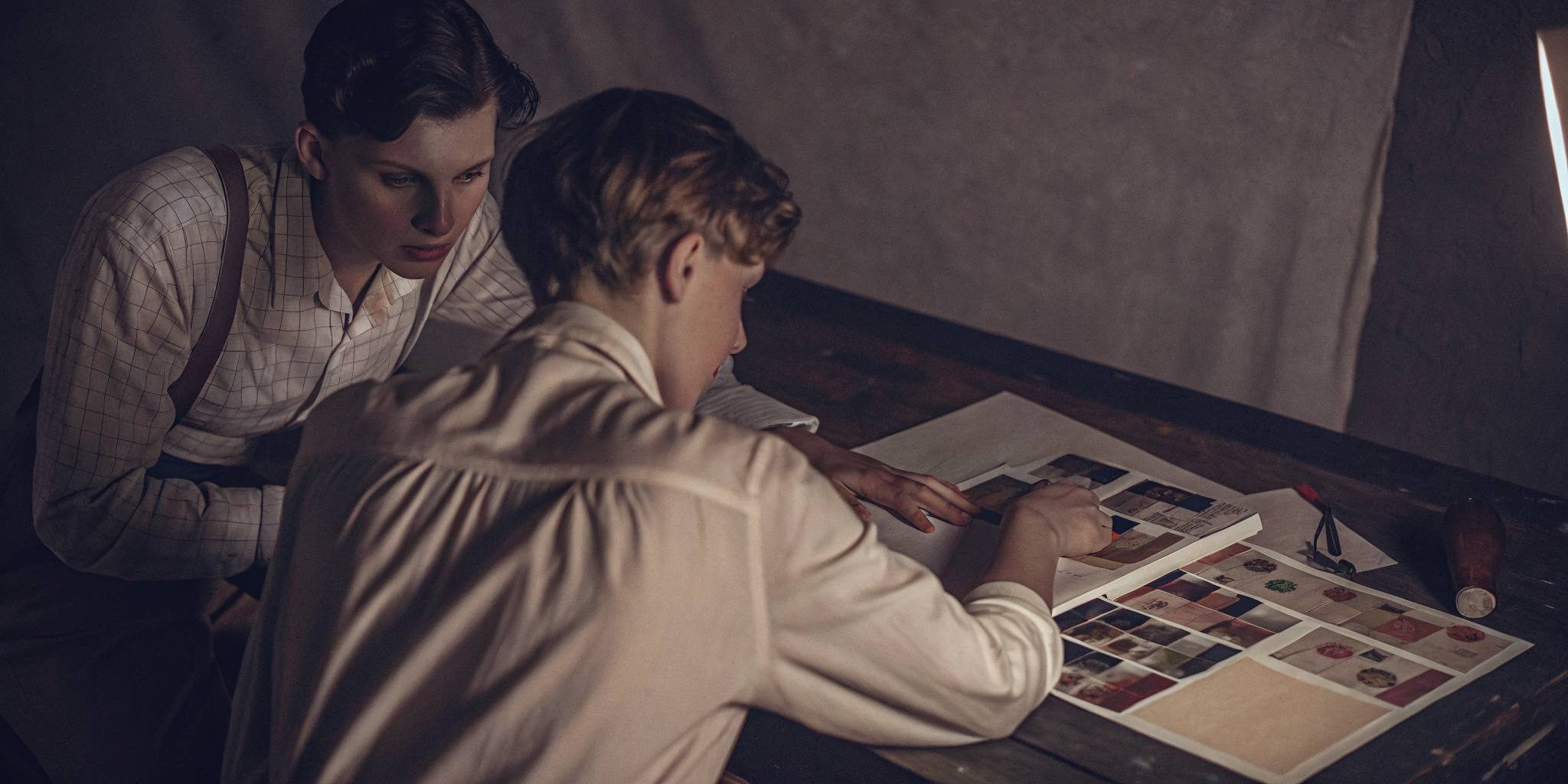
Most studios show you the before and after and hide the middle, because the middle is where the mess and the real decisions live. This is the middle. What follows is a composite teardown of how a single project actually goes, phase by phase, the order things happen in, the decisions that turn out to matter, and the dead ends we walk down so the client doesn't have to. Names and specifics are changed. The sequence is exactly as it runs.
The brief behind the brief
Every project starts with a stated brief, 'we need a new website', and a real one hiding behind it. The first job is to find the second. The client who asks for a website usually has a problem a website is only part of: they're winning the wrong clients, or losing the right ones, or can't charge what they're worth. An hour of asking 'why now, and what would have to change for this to have been worth it' reframes the whole project. The brief you're given is a symptom. The brief you write together is the actual work.
DISCOVER   find the brief behind the brief
STRATEGY   decide who it's for, and what it refuses
DEVELOP    prototype the idea in the real medium
BUILD      encode the decisions as a system
HANDOVER   make it run without us
rule: no phase starts until the one before it made a decision
Strategy, argued not brainstormed
Strategy is where most of the value is decided and least of the visible work happens. We're not brainstorming taglines; we're settling a small number of hard questions, who this is for, who it's not, what feeling it should own, what it will refuse to do. The output isn't a sixty-page deck. It's a one-page position sharp enough to settle arguments later, when we're deep in a design decision and need something firmer than opinion to break the tie.
Every later argument is won or lost by how honestly the strategy was written.
Development, where ideas meet reality
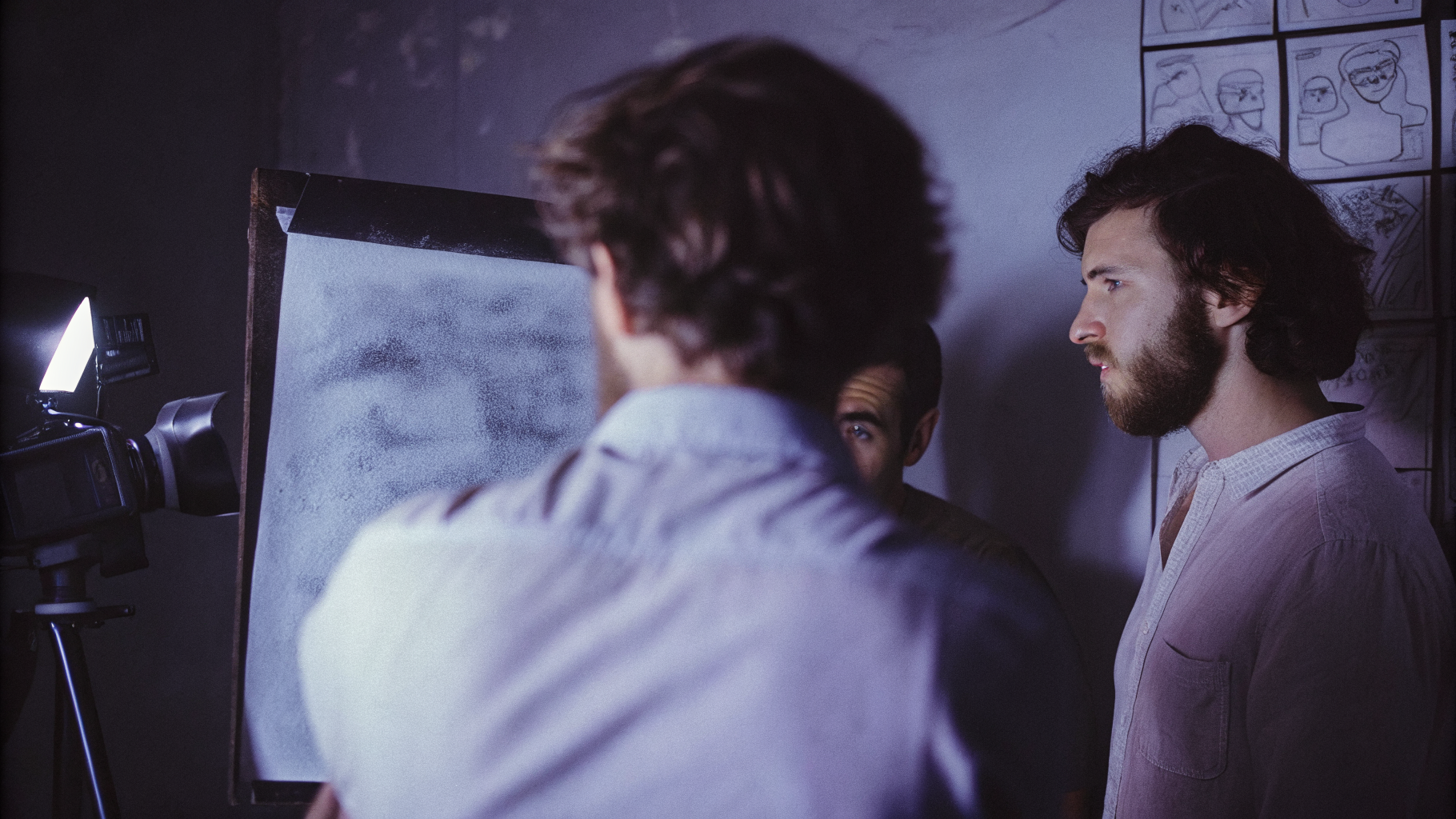
This is the phase decks skip and projects live or die in. The agreed idea gets prototyped in the real medium, real copy, real sizes, real motion, on a real screen, because an idea that looks good in a presentation and falls apart in a browser was never finished. We build the worst cases first: the two-line headline, the missing image, the tired user on a cracked phone at midnight. Whatever survives that is the brand. Whatever needed the hero shot to work gets cut.
Build, decisions become a system
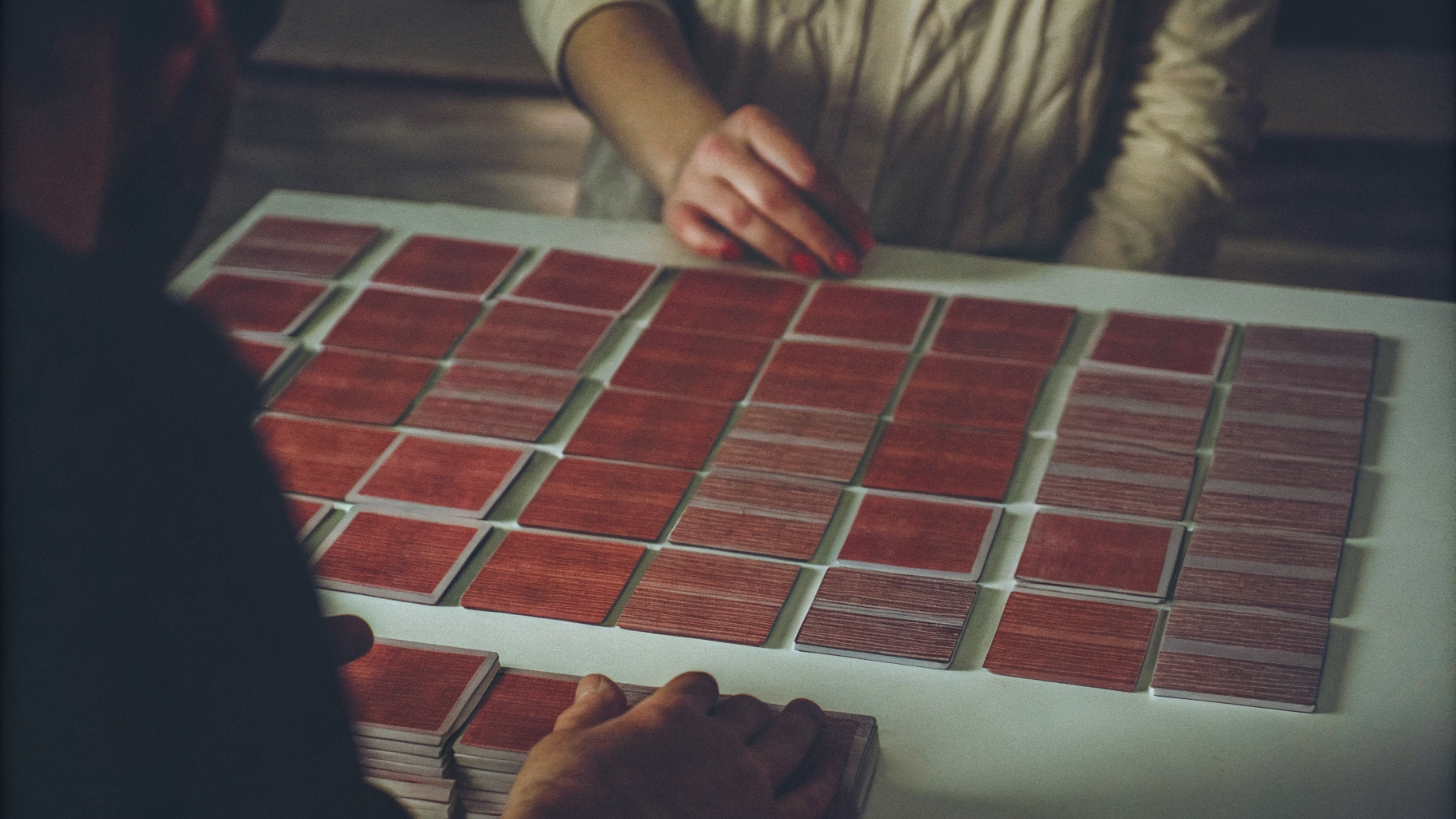
By build, the interesting decisions are already made; the discipline now is not un-making them. Everything opinionated gets encoded so it can't drift, the type scale, the spacing, the motion, the colour logic, and everything else is deliberately left free. The test of this phase is boring on purpose: can a new page be made, correctly, without the designer in the room? If yes, we built a system. If no, we built a set of beautiful pages that will decay the moment we leave.
Handover, the real test
The project isn't finished when it launches; it's finished when it runs without us. Handover is a one-page constitution, the system, and the reasoning behind the decisions, enough that a designer we've never met can make something next year that's unmistakably this brand. We run one last test before we go: we hand someone outside the project the constitution and a blank task, and see if what they make belongs. If it does, the work will outlast us. That's the only definition of done we trust.

The before and after are the easy part, anyone can show those. The middle is the product: a sequence of decisions, made in the right order, each one defended and written down. Show the middle and there's nothing left to hide, because the middle was the work all along.
Related serviceBranding